Latest Insights
The BalCon Blog
Expert insights on lab safety, TAB testing, and industry best practices to keep your facilities safe and efficient.
Balance Before You Break Ground: Why Pre-Demo Balancing Separates the Pros from the Price
Measure the old system before you tear it out. The data says you will find problems — and the report protects everyone
Read More
How Many Times Does the Air Turn Over? Air Changes Per Hour, Explained
Air always flows from higher pressure to lower pressure, and engineers use this principle to control contaminants, odors, and indoor air quality throughout a building.
Read More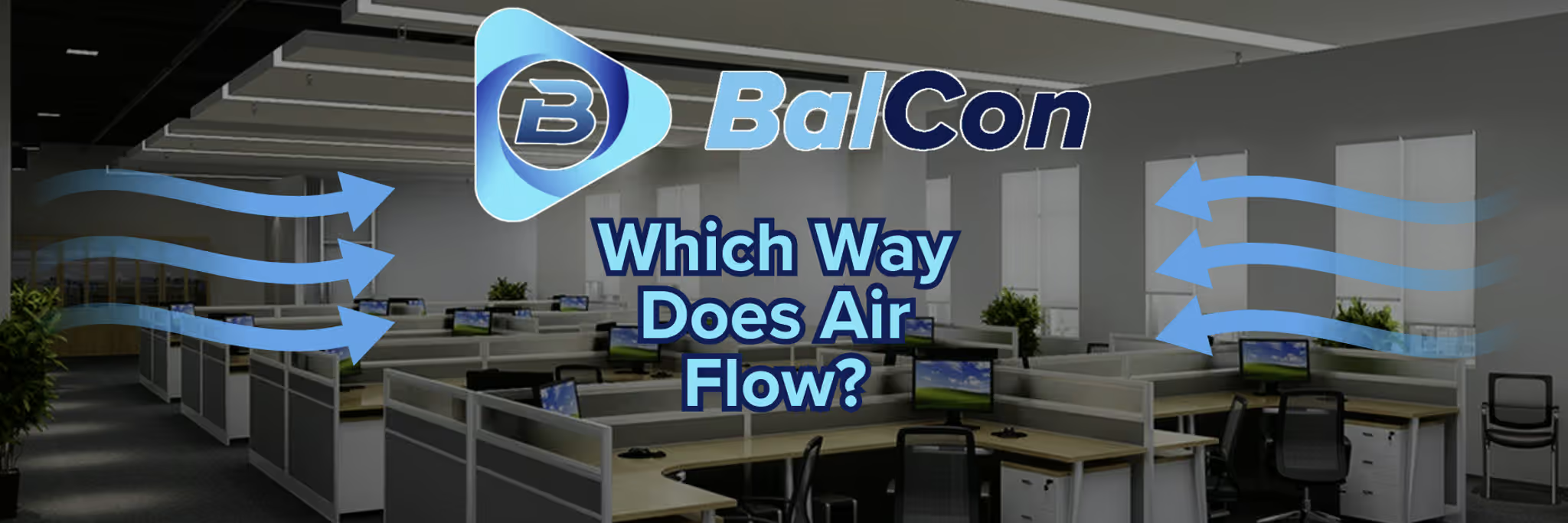
Which Way Does the Air Flow? Room-to-Room Pressure, Explained
Air always flows from higher pressure to lower pressure, and engineers use this principle to control contaminants, odors, and indoor air quality throughout a building.
Read More
Getting Kitchen Hood Exhaust and Makeup Air Right
For general contractors, engineers, and building owners, getting kitchen ventilation right means fewer callbacks, better building performance, and a safer facility.
Read More
Building Pressure: The Invisible Force Affecting Every Commercial Building
Building pressure is the difference between indoor and outdoor air pressure. It's invisible, constantly changing, and has a major impact on comfort, energy efficiency, indoor air quality, and moisture control.
Read More
Do You Dalt?
A duct air leakage test takes a few hours. The leaks it finds could waste energy every hour the building operates—for the next 20 or 30 years. Just as importantly, DALT helps contractors avoid costly rework, keeps commissioning on schedule, and gives engineers confidence the duct system is performing the way it was designed before the building is turned over to the owner.
Read More
Branch Dampers vs. Volume Dampers
Left alone, a duct system feeds the outlets closest to the fan generously and starves the ones at the far end. Dampers fix that by adding resistance where the air wants to rush, so the far ends get their share.
Read More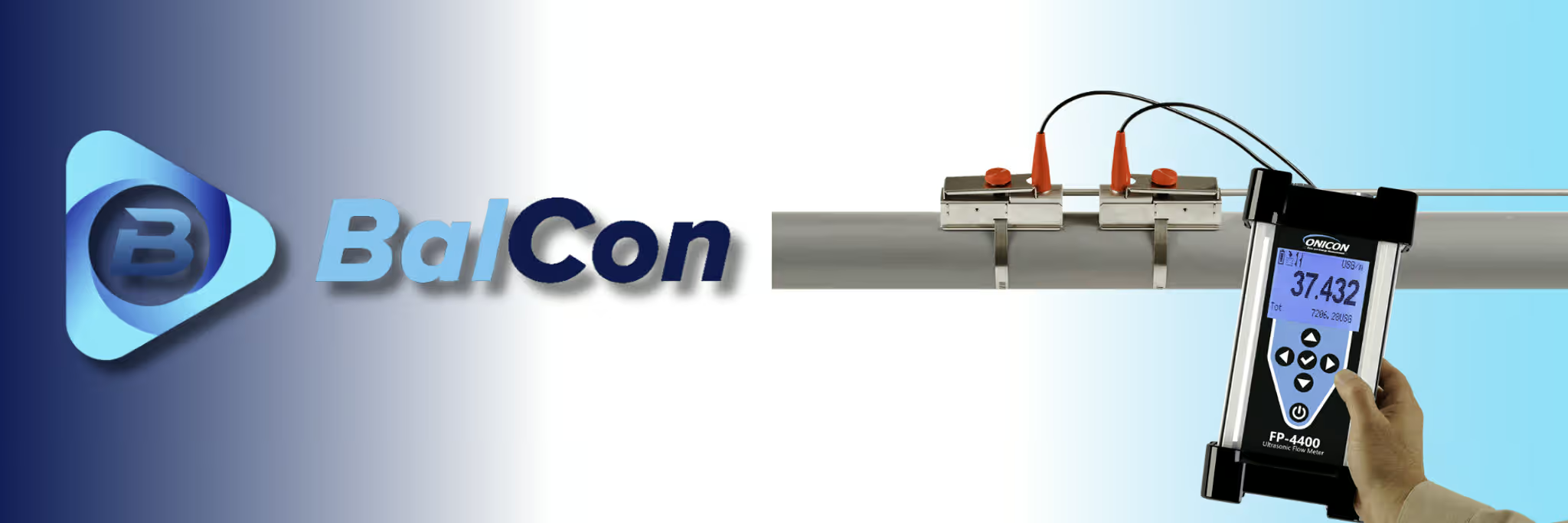
Measuring Flow Without Cutting Pipe: Ultrasonic Water Testing
Sometimes the pipe you need to measure has no flow meter, no balancing valve with ports, and no way to shut the system down.
Read More
How To Read A Balancing Report
A certified TAB report compares what was measured against what was designed — fan and pump readings, airflows at every diffuser, water flows at every coil.
Read More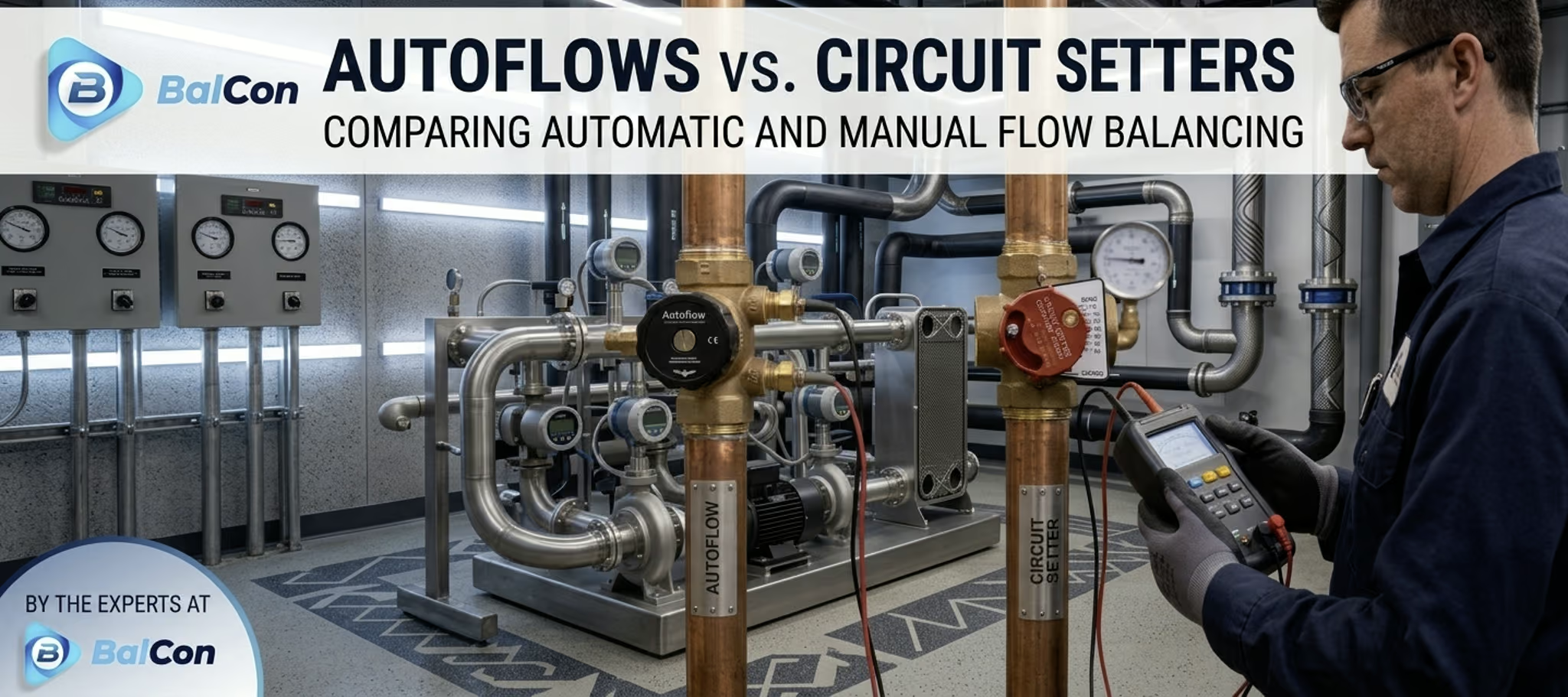
Autoflows vs. Circuit Setters: The Choice That Decides Balancing Costs
The balancing valve you specify doesn’t just affect system performance—it determines where the cost shows up: in the equipment or in the labor required to make the system work.
Read More
Building Survey: Turning HVAC Complaints Into Measurable Problems
When a building is not performing as expected, the first description is usually vague: “It’s not cooling,” “there are hot and cold spots,” or “something is off.”
Read More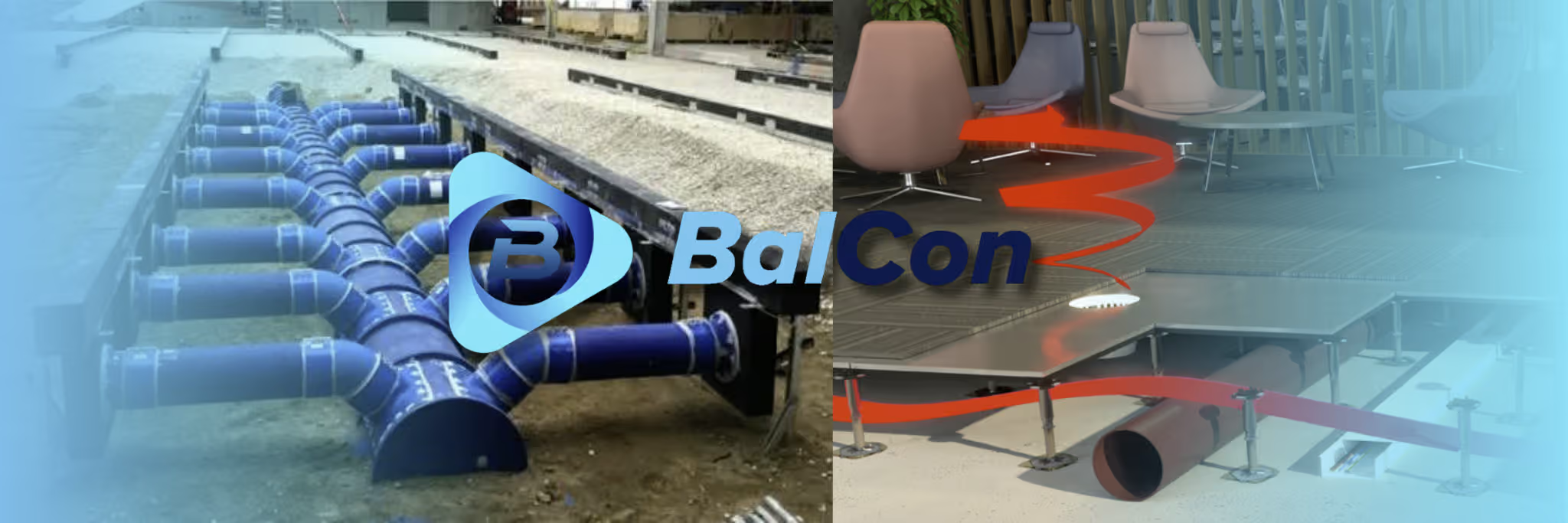
Test It Before You Close It: Why Underground Plenum Leakage Testing Matters
An underground air plenum is one of the most difficult HVAC components to repair once construction advances.
Read More
Outdoor Air Ventilation: Why Measuring Airflow Matters More Than Damper Position
Too little outdoor air leads to IAQ issues and compliance risk. Too much means you’re heating, cooling, and dehumidifying air the building never needed.
Read MoreImproving Laboratory Efficiency
What are the keys to laboratory efficiency and how can you reduce your energy use to lower your overall laboratory expenses?
Read MoreWhen Should A Biosafety Cabinet Be Replaced?
Average unit life expectancy is from 15 to 20 years and maintenance costs increase from there. So when should a biosafety cabinet be replaced?
Read More