Compounding Aseptic Isolators
For over 25 years, BalCon’s Lab Safety Services team has been ensuring the safety of people, equipment, and lab environments. By exceeding all national standards, our Compounding Aseptic Isolators Certification team is the leader in comprehensive testing, certification, and service.
We commonly work with pharmacies, academic medical centers, hospitals, clinical laboratories, pathology groups, healthcare purchasers, higher education, government entities and more.
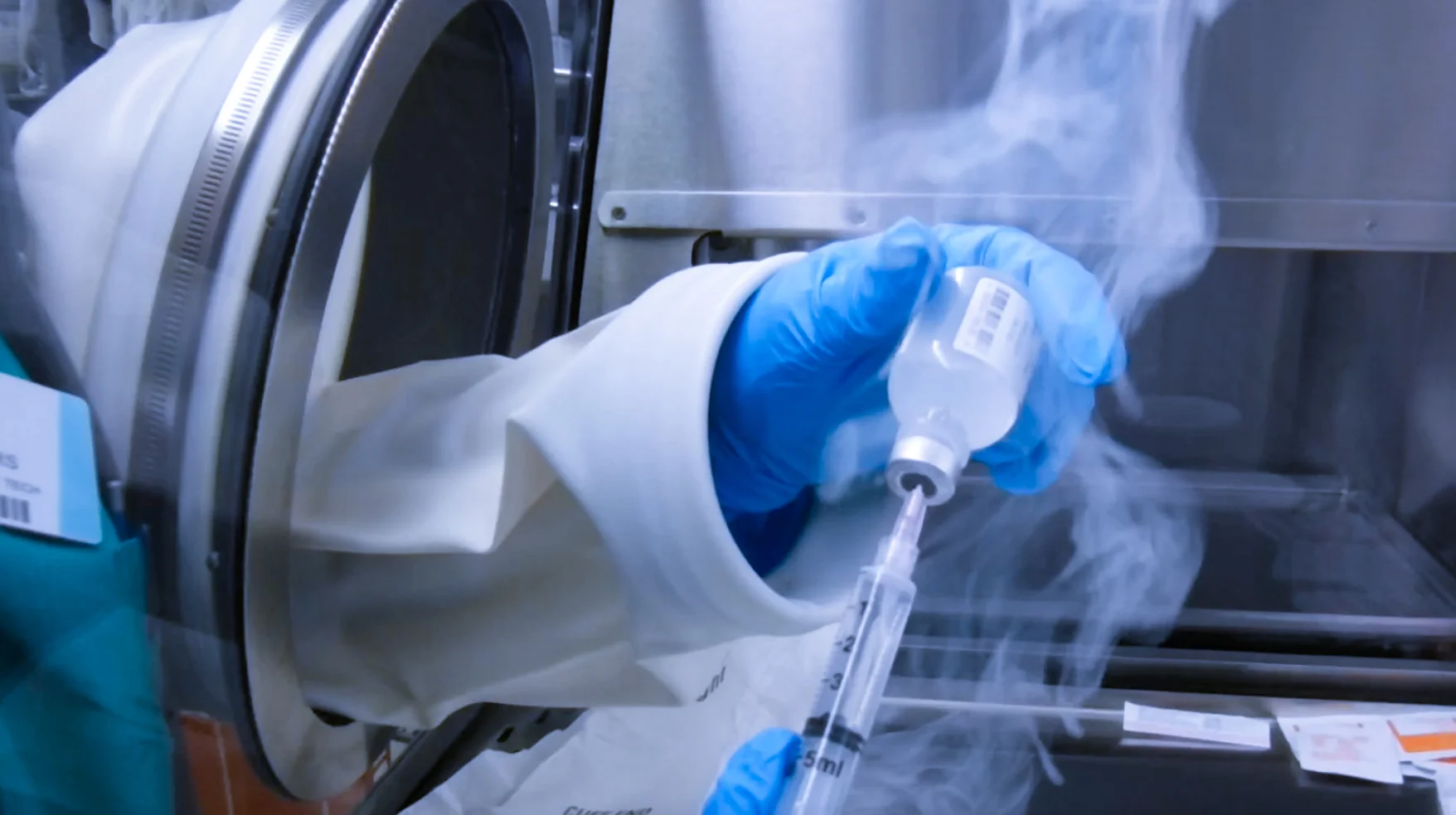
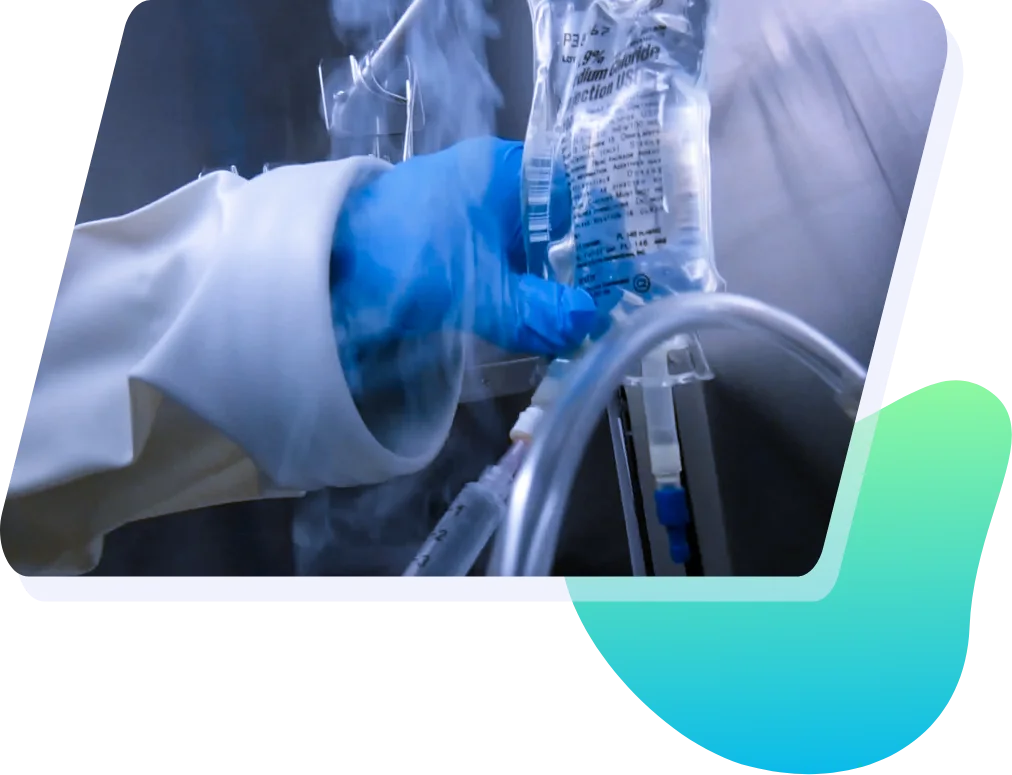
Compounding Aseptic Isolators Certification Tests
Let our team of experts keep your lab safe by becoming your Compounding Aseptic Isolator service provider. Services include testing, certification, emergency repair and maintenance. Our certification tests include:
- Inflow Velocity Measurements
- Down-Flow Velocity Measurements
- HEPA Filter Integrity Testing
- Control Installation and Service
- Ante Chamber Inspection
- Smoke Pattern Testing
- Alarm Calibration
- Site Installation
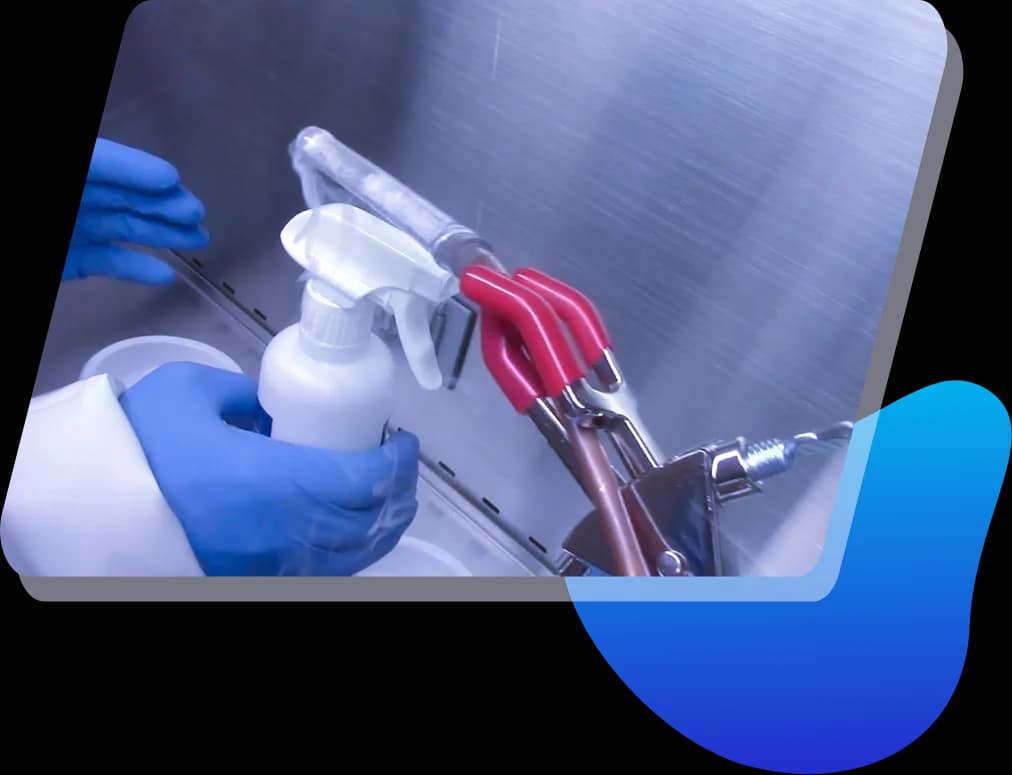
Compounding Aseptic Isolators Reports
The isolators must be proven to maintain ISO Class 5 air quality during material transfer and under dynamic operating conditions. Following certifications, you will receive a full report of each test performed on your CAI in the field. All testing equipment is calibrated to N.I.S.T. standards within the previous 6 calendar months.
Frequently Asked Questions
USP 797 states that isolators need to be certified per CETA CAG-002-2006. This document requires certification upon installation, every six months, when moved, and when a major service is performed.
The most recent updates affect calibrations, certifications and qualifications of equipment and classified areas, requirements for certification of classified clean room areas, testing performed as part of the facility certification, and scenarios requiring investigations and corrective actions.
The compounding of drugs, both sterile and non-sterile are constantly undergoing rapidly evolving state standards under the FDA and USP. Compliance under these regulations is critical for the safety of technicians and patients. BalCon helps you navigate those complexities without worry.
Compounding isolators often utilize a glove system to provide complete containment while manipulating sterile compounds. We recommend you follow the manufacturer’s recommendations and consider how often the unit is used. It is important to watch for small pin holes and adopt a process for tracking particle counts in negative pressure isolators.
Positive pressure CAIs are used when no hazardous drugs are being manipulated. The unit has a greater atmospheric pressure than the outside environment, resulting in ISO Class 5 operating conditions.
Negative pressure CAIs are used when hazardous drug compounds are present. The unit operating pressure is less than atmospheric pressure, also resulting in ISO Class 5 operating conditions.